The chewiness of the boba pearls. The sweetness of the tea mixed with the creamy milk. Add some sweet strawberry puree or pick a chocolate version.
The numerous topping options and flavour combinations! The energy rush that comes with it!
Craving bubble tea yet?
I might be! Bubble tea is a craving that my husband and I will occasionally cave to. As much as I enjoy the drink, my body doesn’t always agree with the effect on my blood sugar.
Trying to Solve the Bubble Tea Problem
To adapt, I started asking for no added sugar which helped but didn’t entirely solve the problem.
I was craving for the sugar and the energy boost that followed but also the chewy texture of the pearls.
Part of building the life we want – a slower, more self-reliant, homesteading life – is learning to recreate the things we enjoy instead of depending on them.
In looking for my own replacement in the past, I started cooking the large store bought tapioca pearls. In this way, I could make my own milk tea and have control over the amount of sugar.
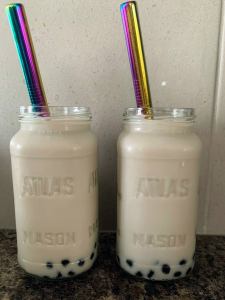
With further research, I learned that basil seeds, once soaked, are supposed to have a similar texture to the tapioca pearls. While it was a step forward, the smaller, less chewy, bloated basil seeds didn’t seem to satisfy the craving.
In changing up my bubble tea order one day, I decided to try and add the coconut jelly along with the pearls. The texture was much more similar to that of the pearls! So naturally I went down the rabbit hole to see if I could make my own.
With that, I discovered I could make a simple, healthier version of bubble tea with coconut jelly.
What is Coconut Jelly?
Coconut jelly is a soft, light jelly made from coconut milk or coconut water that is thickened with an ingredient such as gelatin. It is comparable to jello except it has a chewier, and slightly firmer texture depending on how much gelatin is added.
It is a common topping in drinks such as boba or bubble tea.
One of the main ingredients is gelatin and as it’s protein based, it gives you that full feeling with much less calories! Plus the coconut and vanilla extract naturally sweetens taking away the need for added sugar.
What Does Coconut Jelly Taste Like?
Coconut jelly has a light, creamy coconut flavour. This recipe has a slightly sweet taste to minimize the sugar. However, this can be adjusted based on preference.
Coconut Jelly Ingredients
This recipe requires minimal ingredients:
- 1 1/2 cups of water or coconut water
- 2 – 3 tsps gelatin
- 3/4 cup full fat coconut milk
- 1/2 tsp vanilla extract (optional)
- honey (optional)
Coconut Jelly Recipe How To
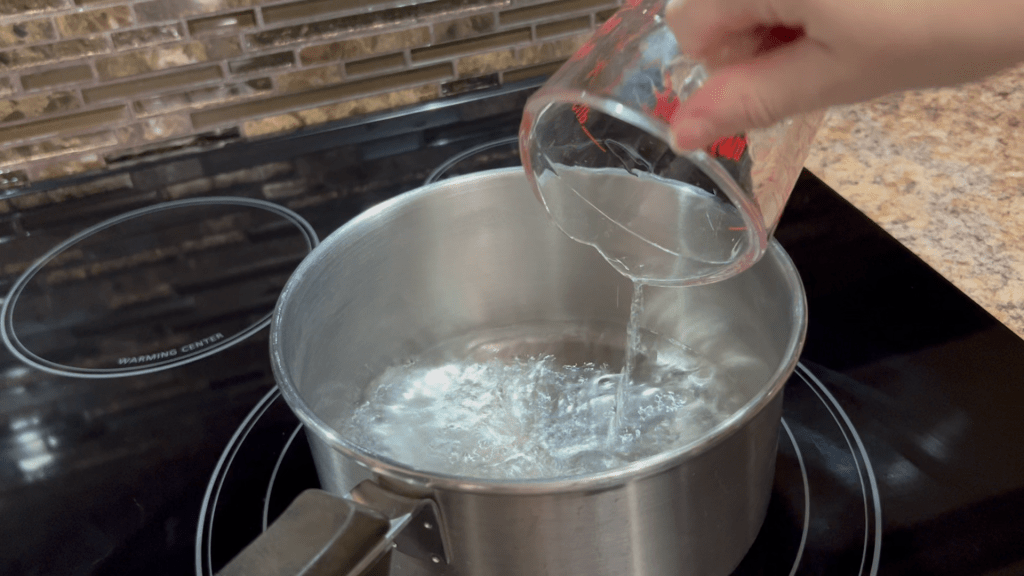
To begin, heat 1 and a half cups of water on the stove, keeping the heat on medium low reserving at least 2 tablespoons of cold water to bloom the gelatin. (I usually save half the water for this as it makes my measuring cup a bit easier to clean after.)
For a stronger coconut flavour, you can use coconut water as a substitute.
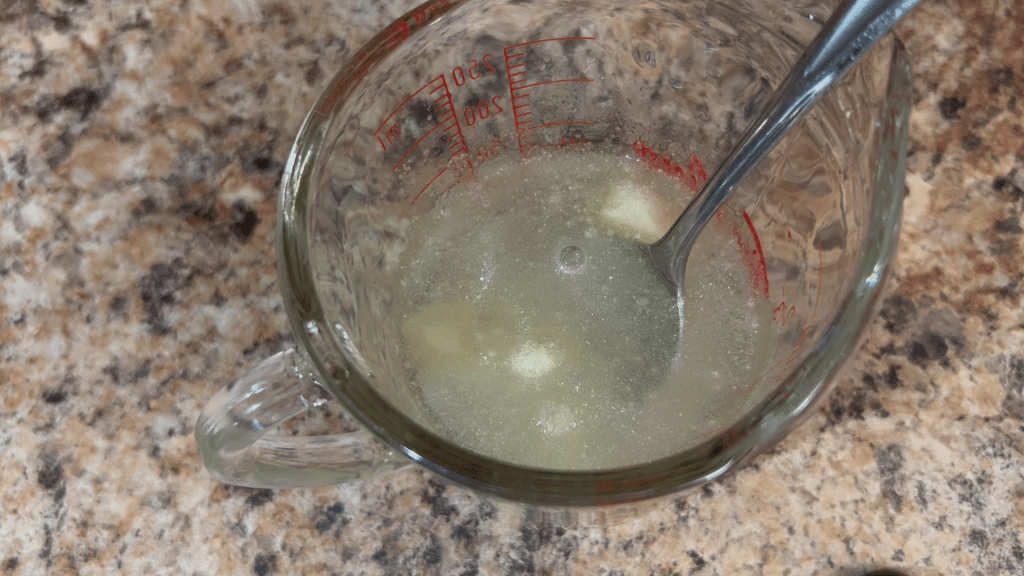
Add in two to three teaspoons of gelatin into the reserved water letting it sit for 5 to 10 minutes as the gelatin expands and absorbs the water.
Blooming the gelatin ensures the jelly sets properly and has a smooth texture.
Using 2 teaspoons produces a softer coconut jelly while 3 teaspoons will give you a firmer, chewier version.
Once the gelatin is ready, add to the pot and stir until it is melted in and fully incorporated. Ensure the water isn’t boiling as it can affect the stability of the gelatin.
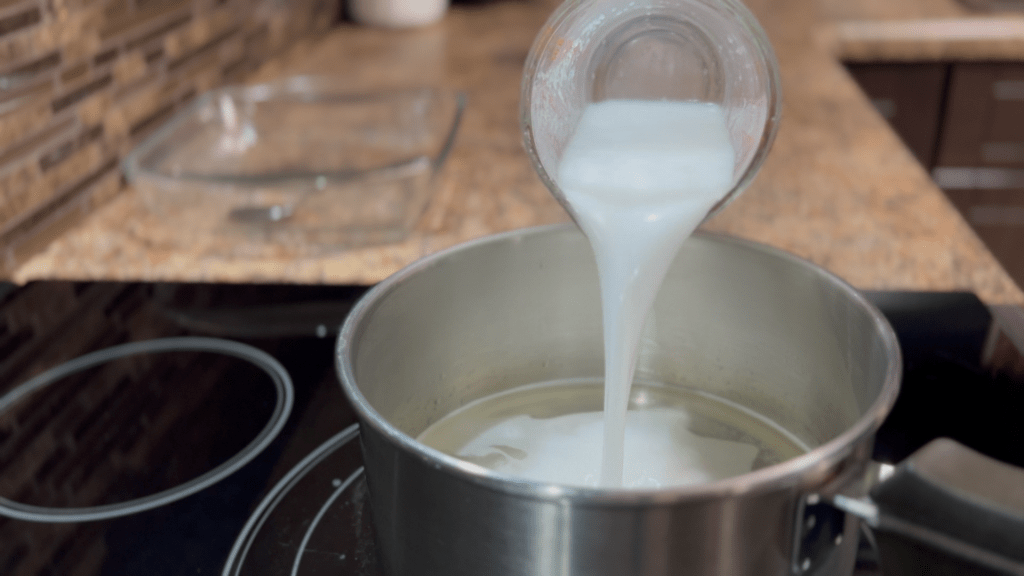
Add in three quarters of a cup of full fat coconut milk for a creamy texture and coconut flavour.
At this point, you can add in half a teaspoon of vanilla extract and a bit of sweetener such as honey if you so choose. However, sweetener isn’t necessary.
When everything is well mixed, pour into a shallow dish or a mold.
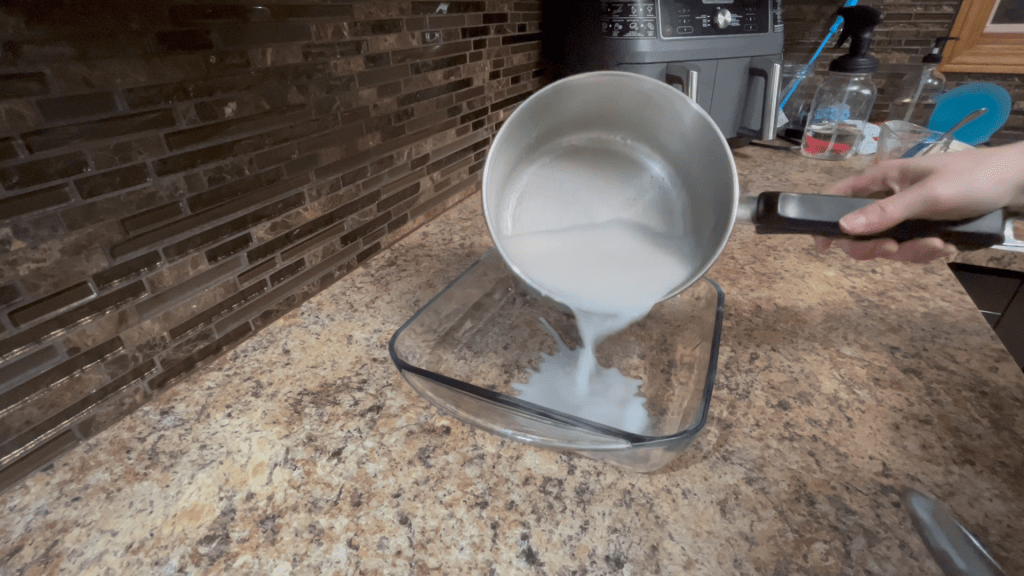
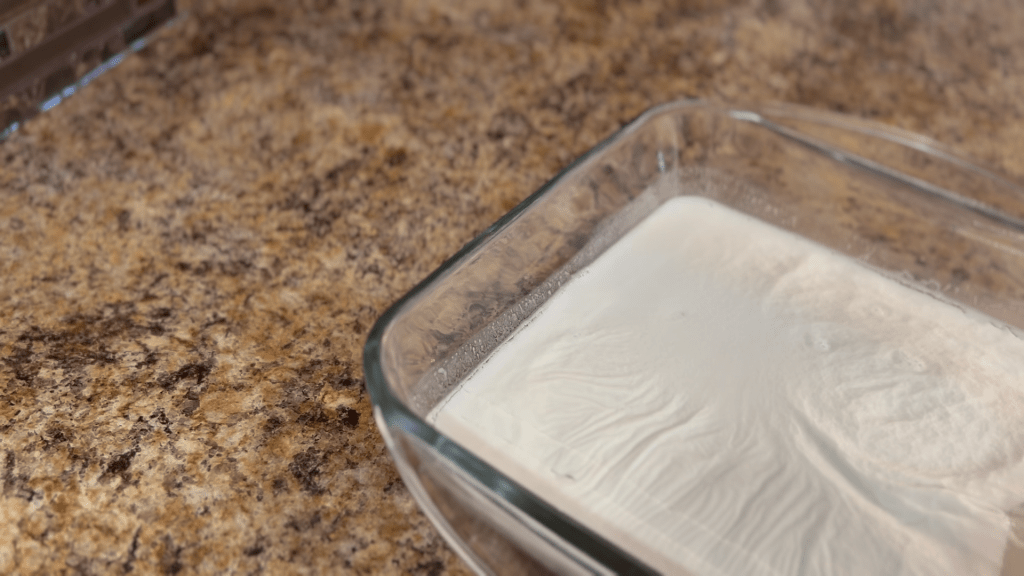
Let it cool on the counter before placing in the fridge to set.
After a few hours, the coconut jelly can be cut into small cubes or strips that will work for a wider straw.
How To Use Coconut Jelly
Coconut jelly can then be added into:
- Milk tea
- Iced tea or coffee
- Smoothies
- Yogurt bowls
I like to add it to my smoothie after it’s been blended to keep me feeling full until lunch.
It could even be eaten as is for a light protein snack.
Flavor Variations
This creates a base recipe which can be altered to create different flavours like:
- Chocolate
- Fruit
- Matcha
Any other flavour ideas?
Final Thoughts
While my husband and I still give in to our bubble tea cravings occasionally, I now have a recipe to fight back the cravings.
With grace and peace,
Jo
For a visual of how to make this coconut jelly recipe, check out the video here.

 Grace Between the Fields
What are your thoughts?